
How Digital Marketing Agencies Propel Startups to New Heights

How Digital Marketing Agencies Propel Startups to New Heights
A digital marketing agency helps startups reach their target audience. They create strategies tailored to meet specific business goals. For startups, navigating the digital world can be tricky. With limited resources and time, focusing on core business activities is crucial.
Digital marketing agencies create customized campaigns that increase brand visibility and drive growth in a constantly changing online market. The partnership between startups and digital marketing agencies allows the startups to focus on innovation and expansion, while the agency takes care of digital outreach.
Role Of Digital Marketing
A Digital Marketing Agency can be an invaluable partner in navigating startup challenges. Digital marketing is pivotal to establishing a strong presence in the online world for startups. Through leveraging digital platforms, startups can compete with established brands and carve out a niche in their industry by reaching their target audience, building brand awareness, and generating leads.
Impact On Startups
Digital marketing significantly impacts startups by enhancing their visibility and credibility. It allows new businesses to communicate their value proposition effectively to a wider audience. Several key areas benefit from digital marketing:
- Brand Awareness For Startups: Digital marketing helps startups create a recognizable brand through consistent messaging and visuals.
- Social Media Marketing: Engaging with potential customers on social platforms can boost interaction and feedback.
- Lead Generation Strategies: Digital tools enable startups to attract and convert leads with targeted campaigns.
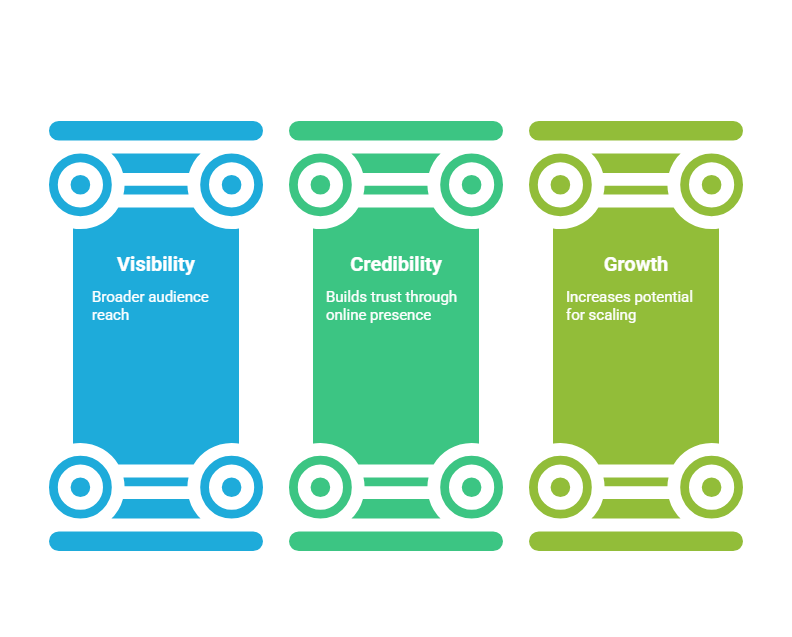
Consider the following table that showcases how digital marketing impacts startups:
Aspect | Impact |
Visibility | Broader audience reach |
Credibility | Builds trust through online presence |
Growth | Increases potential for scaling |
Benefits Of Digital Strategies
Implementing digital strategies can offer numerous benefits to startups. These strategies are cost-effective and measurable, allowing businesses to optimize their marketing efforts.
- Cost-effective: Digital Advertising allows startups to market their products without spending excessively.
- Measurable Results: Digital marketing provides analytics that help track performance and adjust strategies.
- Content Marketing For New Businesses: Quality content can establish authority and engage customers effectively.
Startups can use the following digital strategies to enhance their marketing efforts:
- Utilize SEO to improve search rankings.
- Engage audiences through blogs and articles.
- Leverage email marketing for personalized outreach.
As startups compete in a competitive market, digital marketing plays a crucial role in helping them establish themselves and grow sustainably.
Choosing The Right Agency
Startups often face unique challenges and require tailored marketing strategies to succeed in the digital world. Finding the right digital marketing agency can be challenging. You need a digital marketing agency that understands these needs and aligns its services with your goals. Choosing the right agency means finding a partner who can boost your online presence and guide you through the complex world of digital marketing.
Key Factors To Consider
There are several key factors to consider when choosing a digital marketing agency for your startup.
- Experience in your industry: Look for agencies that have a proven track record in Seo For Startups. They should be familiar with the challenges and opportunities specific to startups.
- Range of services: Make sure the agency offers a comprehensive suite of digital marketing services, such as SEO, content marketing, social media management, and PPC.
- Team expertise: A skilled team can make all the difference. Check the credentials and expertise of the people you’ll be working with.
- Client testimonials: A client’s review can provide valuable insight into the agency’s effectiveness and reliability.
- Transparency and communication: Communication: Make sure your agency communicates clearly and provides regular updates on campaign progress.
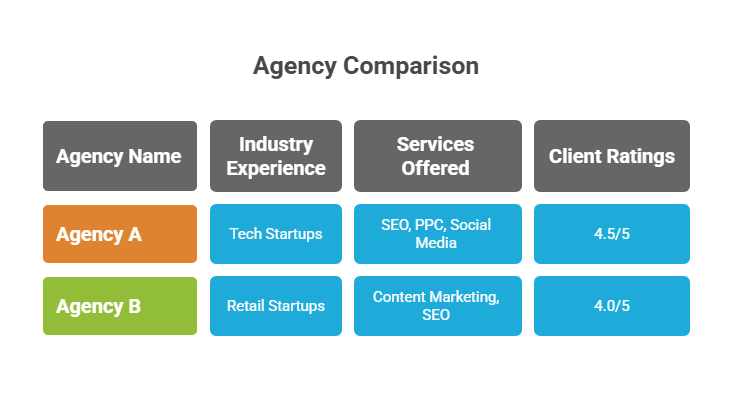
Below is a simple table to help compare potential agencies:
Questions To Ask
To ensure you select the right partner, ask these important questions during your agency evaluation.
- What is your approach to Seo For Startups? Understanding their strategy can help assess if it aligns with your business goals.
- Can you provide case studies or examples? Reviewing past work can offer insights into their capabilities and success rate.
- How do you measure success? A good agency should have clear metrics and KPIs to track progress and effectiveness.
- What is your pricing model? Understand how their fees are structured and if they offer flexible pricing for startups.
- Do you offer customized strategies? Every startup is unique, so a one-size-fits-all approach may not be effective.
- How often will we communicate? Regular updates and communication are crucial for a successful partnership.
Asking these questions helps ensure you find an agency capable of delivering effective digital marketing services tailored to your startup’s needs.
Services Offered
It is common for startups to face unique challenges in the digital landscape. They need effective strategies to reach their audience and grow their brand. A Digital Marketing Agency for Startups provides these services tailored to their needs. In addition to SEO and content marketing, we also provide social media management services, which are designed to enhance online presence and lead to success.
SEO And Content Marketing
SEO and content marketing are crucial for startups. They improve visibility and attract organic traffic. Here’s what the agency offers in this area:
- Keyword Research: Identifying the best keywords for your industry is the first step in keyword research.
- On-page Optimization: Enhancing web pages for better search engine ranking.
- Content Creation: Developing engaging and valuable content.
- Link Building: Establishing authority through quality backlinks.
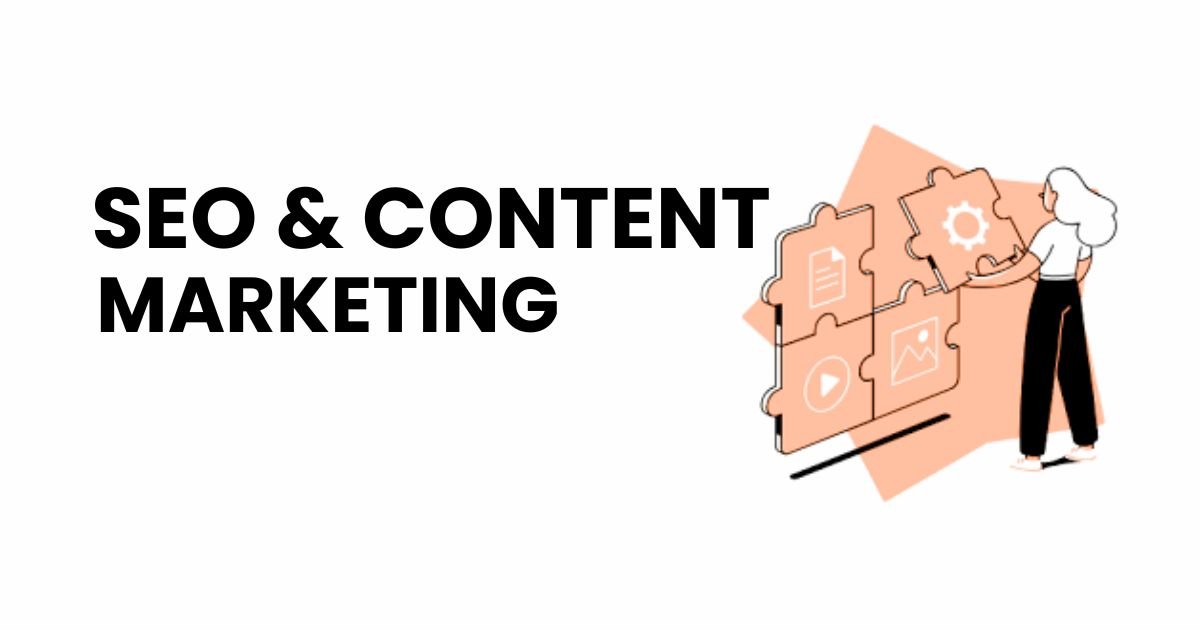
The goal of content marketing is to create blog posts, articles, and videos that engage your audience and build trust. A consistent content strategy can help your site rank better and attract more visitors.
Service | Description |
Keyword Research | Find phrases that potential customers are searching for. |
On-page Optimization | Improve website elements to increase search engine visibility. |
Content Creation | Create informative and engaging content for your audience. |
Link Building | Build connections with other reputable sites to enhance credibility. |
Social Media Management
Social media is a powerful tool for startups. It connects them with customers and builds brand loyalty. The agency offers:
- Profile Creation: Establishing presence across major platforms.
- Content Scheduling: Planning and posting regular updates.
- Engagement Strategies: Interacting with followers to foster relationships.
- Analytics and Reporting: Tracking performance and adjusting strategies.
The goal of effective social media management is to increase visibility and engagement. To accomplish this, you need to create meaningful connections. This includes writing posts that resonate with the audience and reflect the brand’s values.
Startups can successfully reach wider audiences and achieve greater success by leveraging social media effectively. Analyzing results helps refine strategies and ensure continuous growth.
Budgeting For Marketing
Startups often grapple with the challenge of allocating resources efficiently. When it comes to marketing, budgeting becomes a crucial step. A well-planned budget ensures that each dollar spent aligns with business goals and maximizes returns. For startups, working with a digital marketing agency can provide expertise and save time. This guide explores essential components of budgeting for marketing, focusing on setting goals and understanding ROI.
Setting Realistic Goals
Marketing strategies must be aligned with a startup’s business vision in order to be successful. Consider these steps:
- Identify Target Audience: Understand who your ideal customers are. This will guide your marketing efforts.
- Determine Key Performance Indicators (KPIs): Choose metrics that reflect success. These could include website traffic, lead generation, or social media engagement.
- Set Short and Long-term Goals: Balance immediate needs with future aspirations. Short-term goals might focus on brand awareness, while long-term goals could target customer loyalty.
For example, a table can help visualize goals:
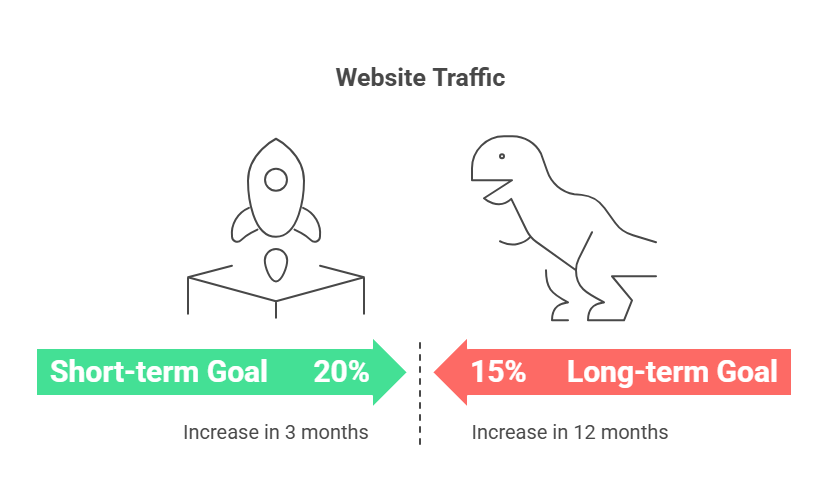
As part of setting realistic goals, it is important to assess current resources and understand market dynamics in order to develop a spending and effort strategy that is focused.
Understanding Roi
Return on Investment (ROI) is a critical metric for evaluating the success of marketing campaigns. For startups, understanding ROI can determine future marketing strategies. Here’s how to approach it:
- Calculate Costs: Include all marketing expenses, such as agency fees, advertising costs, and software subscriptions.
- Measure Outcomes: Track the results of marketing efforts. This could involve increased sales, higher engagement, or expanded reach.
- Analyze Data: Use tools like Google Analytics to gather insights. This data helps in understanding which strategies yield the best returns.
A simple formula for ROI is:
ROI = (Net Profit / Cost of Investment) x 100
It can also help startups prioritize actions that will yield the greatest amount of growth and sustainability. For example, if a campaign costs $1,000 and generates $1,500 in profit, the ROI is 50%.
Building Brand Awareness
Startups often struggle to make their mark in a crowded market. A digital marketing agency can help them build brand awareness. This involves creating a unique identity and using online platforms effectively. With the right strategies, startups can attract attention and grow their audience.
Creating A Unique Identity
Every startup needs a unique identity to stand out. It begins with understanding what makes the brand special. This could be a product feature, a service benefit, or a company value.
Key elements of a unique identity include:
- Logo and Design: A memorable logo sets the tone for the brand.
- Brand Voice: The tone and style of communication should reflect the brand’s personality.
- Value Proposition: Clearly state what the brand offers and why it matters.
A digital marketing agency can help craft these elements. They conduct market research to align the brand with customer expectations. Here is a simple table to illustrate the process:
Aspect | Description |
Research | Study competitors and market trends. |
Design | Create visuals that resonate with the target audience. |
Implementation | Integrate brand elements across all platforms. |
These steps ensure the brand identity is clear and consistent. It helps in creating a lasting impression on the audience.
Leveraging Online Platforms
Online platforms are essential for building brand awareness. They provide startups with a wide reach at a low cost. A digital marketing agency can help in selecting the right platforms.
Consider the following platforms:
- Social Media: Platforms like Facebook and Instagram are perfect for engaging with potential customers.
- Search Engines: Using SEO techniques, startups can appear in search results relevant to their industry.
- Email Marketing: Sending newsletters keeps the audience informed and engaged.
Each platform has its strengths. Social media allows direct interaction. SEO improves visibility. Email marketing maintains interest over time. An agency can create a strategy to use these platforms effectively.
They can also track performance using analytics tools. This data helps refine strategies to maximize engagement. By leveraging online platforms, startups can steadily increase their brand presence.
Measuring Success
For startups, digital marketing success doesn’t just happen overnight. It requires careful planning and consistent measurement. Understanding how well your strategies are working is crucial. This is where measuring success plays a vital role. It helps startups understand the impact of their digital marketing efforts. By tracking key metrics, startups can adjust their strategies for better results. This ensures they are not wasting time and resources on ineffective tactics.
Key Performance Indicators
A startup’s online marketing efforts should be measured using Key Performance Indicators (KPIs) in order to identify success. There are a few important KPIs to measure success for startups:
- Website Traffic: This measures the number of visitors to your site. More traffic often means more potential customers.
- Conversion Rate: This is the percentage of visitors who take a desired action. It could be signing up for a newsletter or making a purchase.
- Cost Per Acquisition (CPA): This shows how much it costs to gain a new customer through Online Advertising For Startups.
- Return on Investment (ROI): This measures the profit from your digital marketing efforts relative to the cost.
- Brand Awareness: This can be measured through social media engagement and mentions. It is crucial for Branding For Startups.
Using these KPIs, startups can track their progress. They can identify which strategies work and which need improvement. This way, they can allocate their resources more effectively. It’s important to choose KPIs that align with your business goals.
Tools For Analysis
Choosing the right tools for analysis is vital. They help startups understand their data better. Several Analytics Tools For Marketing are available. Each offers unique features:
- Google Analytics: A comprehensive tool for tracking website traffic. It helps analyze visitor behavior and identify trends.
- SEMrush: Useful for Seo For New Businesses. It provides insights into keyword performance and competitive analysis.
- HubSpot: Ideal for Lead Generation Strategies. It offers tools for email marketing, social media, and CRM.
- Hootsuite: Helps manage social media campaigns. Useful for tracking social media engagement and brand mentions.
- Google Ads: Essential for Ppc Advertising For Startups. It provides metrics on ad performance and cost management.
These tools empower startups to make data-driven decisions. They simplify complex data into actionable insights. This way, startups can refine their Digital Marketing Services to achieve better outcomes. Choosing the right tool can make a significant difference. It can help optimize both time and resources.
Common Challenges
Startups face unique challenges in the digital marketing realm. Without a large budget or established brand, they often struggle to find their place online. A digital marketing agency can assist, but understanding common challenges is crucial. This knowledge helps startups navigate obstacles effectively and maximize their marketing efforts.
Limited Resources
Startups often operate with limited resources, impacting their digital marketing strategies. Small budgets mean careful planning. Prioritizing the essentials becomes necessary.
- Budget Constraints: Many startups have tight budgets. Allocating funds wisely is crucial. This can limit the scope of campaigns and the channels used.
- Small Teams: With fewer personnel, multitasking becomes a norm. Team members often juggle multiple roles, affecting specialization.
A clear plan is essential to overcome these limitations. Utilizing cost-effective strategies can make a significant difference. Consider these approaches:
Strategy | Benefit |
Social Media | Engage with audiences at low cost. |
Content Marketing | Build brand authority and drive traffic. |
Email Marketing | Direct communication with potential customers. |
Focus on channels that offer the best return on investment. Leveraging free or inexpensive tools can help manage campaigns efficiently.
Market Competition
Another hurdle for startups is intense market competition. Established brands dominate the space, making it difficult for newcomers to gain visibility.
Understanding the competitive landscape is vital. Startups must identify their unique selling points (USPs) to stand out. Here are key actions to consider:
- Research Competitors: Analyze competitors’ strategies. Look for gaps or opportunities to offer something different.
- Define USPs: Clearly articulate what sets your product or service apart. This clarity attracts targeted audiences.
- Target Niche Markets: Often, niche markets are less saturated. Focusing on specific segments can be rewarding.
Competing in a crowded market requires creativity and strategic thinking. Tailor messages to resonate with the audience’s needs and preferences. This approach can enhance brand recognition and customer loyalty.
Future Trends
Digital marketing is changing fast. Startups need to stay ahead. Understanding future trends can help. This knowledge is crucial for growth. Adapting to new technologies is key. Strategies must evolve. Let’s explore what lies ahead.
Emerging Technologies
New technologies are shaping digital marketing. Artificial Intelligence (AI) is a major player. It helps analyze data quickly. AI personalizes user experiences. Chatbots are becoming common. They engage customers 24/7. Machine learning predicts trends. This aids in decision-making.
Virtual Reality (VR) and Augmented Reality (AR) are gaining traction. They offer immersive experiences. Products can be showcased in unique ways. These technologies drive engagement.
Blockchain offers transparency. It ensures secure transactions. Trust is built with customers. Voice search is rising. Optimizing content for voice is essential. It changes how keywords are used.
Consider these technologies:
- AI and Machine Learning
- Chatbots
- VR and AR
- Blockchain
- Voice Search
These tools enhance marketing efforts. They improve customer interactions. Startups must embrace them for success.
Adapting Strategies
Strategies must evolve with trends. Social media is crucial. Platforms are changing. Content must adapt. Video marketing is growing. Short videos attract more viewers. Stories and reels are popular.
Data-driven decisions are vital. Analytics provide insights. They reveal customer behavior. Strategies can be tailored accordingly. Influencer marketing is powerful. It reaches wider audiences.
Building communities is important. Loyal customers promote brands. Email marketing remains effective. Personalized emails boost engagement.
Consider these strategies:
- Focus on social media platforms
- Utilize video content
- Leverage data analytics
- Engage with influencer marketing
- Build strong customer communities
- Personalize email campaigns
Adapting strategies ensures relevance. They keep startups competitive. Embrace change for growth.
Conclusion
The job of digital marketing agencies is to help startups grow. These agencies create strategies that boost brand visibility. These strategies attract more customers. They understand the challenges of new businesses. They offer solutions tailored to your needs. Campaigns are effective when they are based on expert knowledge of digital trends.
It saves you time and resources. Focus on your core business. Let experts handle your marketing. Enjoy success and growth. Choose an agency that fits your startup’s vision. Make sure it is flexible and creative.
Take advantage of digital marketing to grow steadily.