

How to Improve Website Conversions With CRO: Top Strategies
To improve website conversions with CRO, focus on optimizing user experience. Small changes can lead to big improvements in your conversion rates.
Conversion Rate Optimization (CRO) is the process of enhancing your website to increase the number of visitors who complete desired actions. These actions could be making a purchase, filling out a form, or subscribing to a newsletter. CRO involves understanding user behavior, testing different elements, and making data-driven decisions.
By improving user experience, you can make your website more effective. This means more visitors will turn into customers or leads. In this guide, we will explore key strategies to improve your website conversions with CRO. Follow these steps to make your website more engaging and successful.
CRO Basics
Improving website conversions is crucial for online businesses. Conversion Rate Optimization (CRO) can help achieve this goal. Understanding CRO basics can make a significant impact. This guide will explain what CRO is and why it matters.
What Is CRO?
Conversion Rate Optimization (CRO) is the process of increasing the percentage of visitors who take desired actions. These actions can include making a purchase, signing up for a newsletter, or filling out a form. CRO involves understanding user behavior and making changes to improve user experience.
There are several key elements of CRO:
- Analyzing user data: This involves studying how users interact with the website.
- Identifying barriers: Finding out what prevents users from converting.
- Testing changes: Implementing small changes and measuring their impact.
- Optimizing content: Making sure content is clear and engaging.
Using tools like Google Analytics can help with data analysis. A/B testing is also a popular method. It involves comparing two versions of a webpage to see which performs better.
Why CRO Matters
Improving conversion rates can have a big impact on business success. A higher conversion rate means more sales, leads, or sign-ups. This can lead to increased revenue and growth.
Here are some reasons why CRO is important:
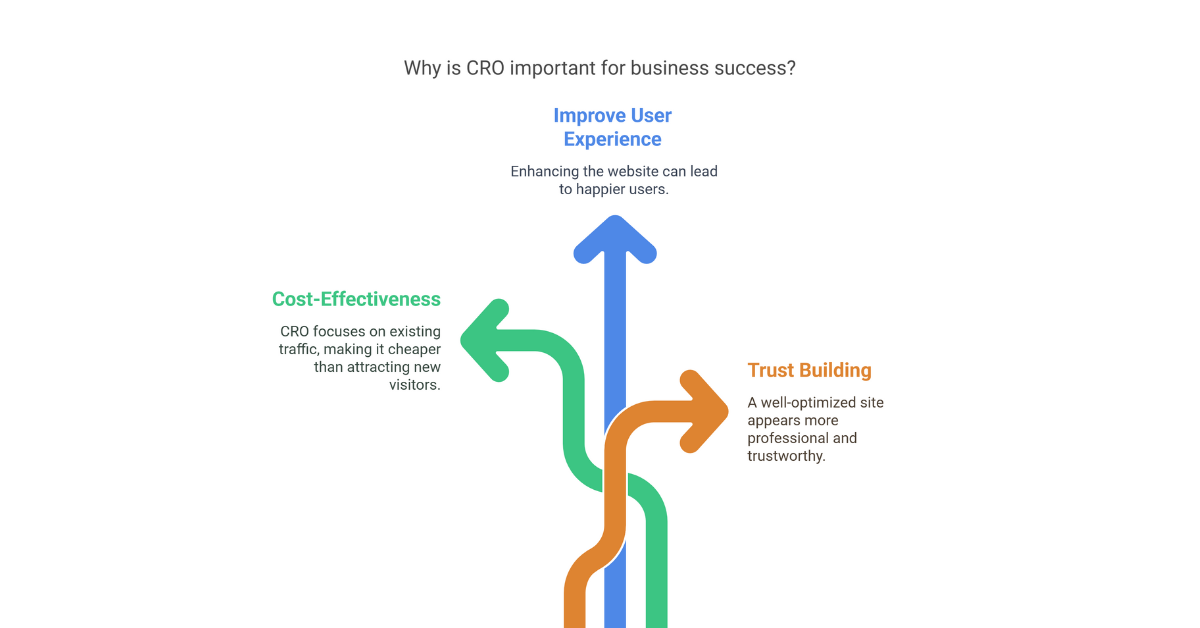
- Cost-effective: CRO focuses on existing traffic, making it cheaper than attracting new visitors.
- Improves user experience: Enhancing the website can lead to happier users.
- Increases trust: A well-optimized site appears more professional and trustworthy.
Investing in CRO can lead to long-term benefits. It helps create a more efficient and user-friendly website. This can result in better engagement and higher conversions.
Analyzing Current Performance
Conversion Rate Optimization (CRO) is essential for any online business. It helps increase the percentage of visitors who complete a desired action on your website. Before improving conversions, it is crucial to analyze current performance. This analysis helps identify areas that need attention. By understanding how users interact with your site, you can make informed decisions. These decisions lead to better user experiences and more conversions.
Key Metrics To Track
Tracking the right metrics is crucial for understanding website performance. It helps identify what works and what doesn’t. Here are some important metrics to monitor:
- Conversion Rate: Measures the percentage of visitors who take a desired action.
- Bounce Rate: Indicates the percentage of visitors who leave after viewing one page.
- Average Session Duration: Shows how long visitors stay on your site.
- Pages Per Session: Reveals the average number of pages a visitor views.
- Exit Rate: Identifies the percentage of users leaving from a specific page.
Understanding these metrics helps pinpoint areas for improvement. For example, a high bounce rate may suggest that the landing page needs optimization. By focusing on these metrics, you can enhance user engagement and increase conversions.
Tools For Analysis
Using the right tools can make analysis easier and more effective. These tools help collect and interpret data, giving valuable insights. Some popular tools include:
- Google Analytics: Offers in-depth insights into website traffic and user behavior.
- Hotjar: Provides heatmaps and session recordings to see how users interact with your site.
- Crazy Egg: Visualizes user behavior with heatmaps and scroll maps.
- Optimizely: Allows for A/B testing to find what changes improve conversions.
- SEMrush: Analyzes website performance and helps with keyword research.
Each tool offers unique features and benefits. Combining multiple tools can provide a comprehensive view of your website’s performance. This data-driven approach will guide you in making better decisions for improving conversions.
User Experience Design
Improving website conversions is vital for any online business. Conversion Rate Optimization (CRO) helps in turning visitors into customers. One key aspect of CRO is User Experience (UX) design. UX design focuses on making websites easy to use and pleasing for visitors. It involves understanding user needs and creating a smooth journey for them. Let’s explore the importance of UX and the design principles that can help improve website conversions.
Importance Of Ux
UX design plays a crucial role in website success. A good UX can keep visitors on your site longer. It helps in guiding them toward desired actions. There are several reasons why UX is important for improving website conversions:
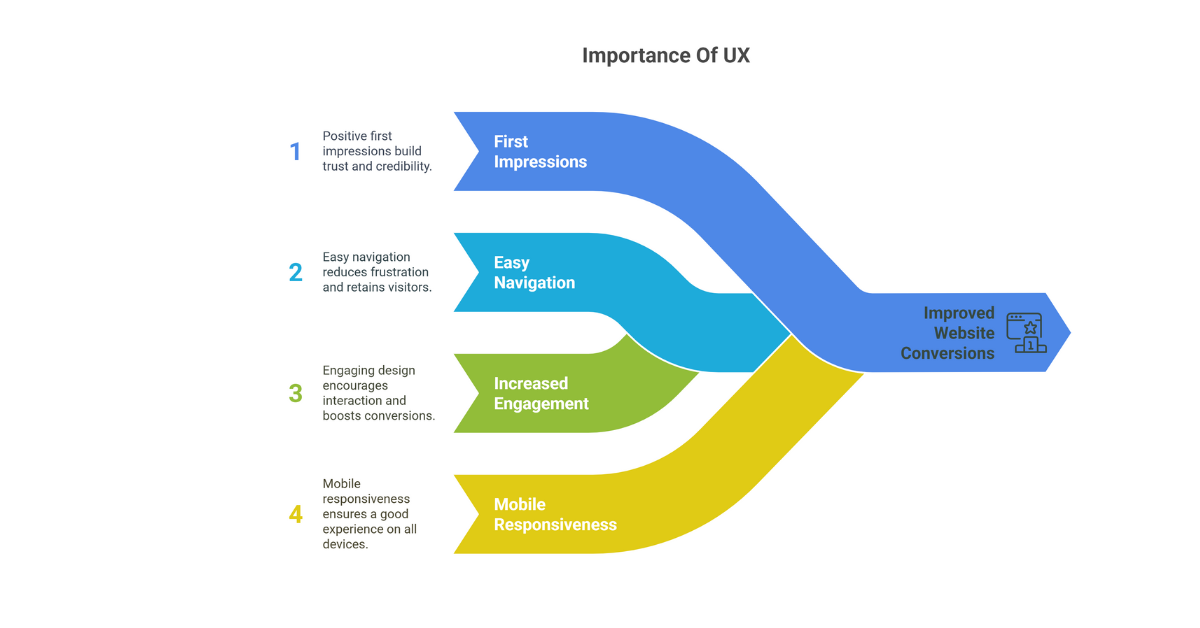
- First Impressions Matter: A well-designed website creates a positive first impression. This can lead to higher trust and credibility.
- Easy Navigation: Users should find what they need quickly. Easy navigation reduces frustration and helps in retaining visitors.
- Increased Engagement: An engaging design encourages users to interact with your site. This can lead to more conversions.
- Mobile Responsiveness: Many users access websites from mobile devices. A responsive design ensures a good experience on all devices.
Investing in UX design can lead to higher customer satisfaction. It can also reduce bounce rates and increase conversions. Happy users are more likely to become loyal customers and refer others to your site.
Design Principles
Several design principles can enhance UX and boost conversions. Following these principles can help create a user-friendly website:
- Simplicity: Keep the design simple and clutter-free. This makes it easier for users to focus on important elements.
- Consistency: Use consistent colors, fonts, and layouts. This creates a cohesive and professional look.
- Accessibility: Ensure your website is accessible to everyone. This includes users with disabilities.
- Visual Hierarchy: Arrange elements in order of importance. Use size, color, and spacing to guide users’ attention.
- Feedback: Provide feedback for user actions. This can be through messages, animations, or visual cues.
Applying these principles can improve the overall user experience. It helps in creating a website that is both functional and appealing. This, in turn, can lead to higher conversion rates and a successful online presence.
Compelling Content
Increasing website conversions is essential for business growth. Conversion Rate Optimization (CRO) focuses on improving user experience to boost conversions. Creating compelling content is a key strategy in CRO. It attracts and engages visitors, encouraging them to take desired actions. Engaging content not only enhances user experience but also builds trust and credibility. In this post, we will explore how crafting persuasive copy and impactful visual content can improve your website’s conversion rates.
Crafting Persuasive Copy
Words have power. They can influence decisions and drive action. Crafting persuasive copy is crucial for converting visitors into customers. Here are some tips to enhance your copy:
- Know Your Audience: Understand their needs and preferences.
- Clear Value Proposition: Highlight what sets you apart.
- Use Simple Language: Avoid jargon. Keep it straightforward.
- Call to Action (CTA): Encourage users to act with clear CTAs.
A well-structured copy should address user pain points. Provide solutions and benefits. For example, if selling a product, emphasize its unique features. Explain how it solves the user’s problem. Use testimonials and reviews for credibility.
Consider using a table for clarity:
Element | Purpose |
Headline | Grab attention immediately |
Subheadline | Provide additional context |
Body Text | Explain benefits and features |
CTA | Encourage immediate action |
Effective copywriting can significantly enhance conversion rates.
Visual Content Impact
Visual content grabs attention faster than text. It plays a critical role in conversions. Images, videos, and infographics can convey messages quickly. They make content more engaging and digestible.
Here are some ways visual content can boost conversions:
- Images: Use high-quality images. They should relate to your content.
- Videos: Explain products or services. Short and informative videos work best.
- Infographics: Present data and statistics in a visual format. Easy to understand.
- Consistency: Maintain a consistent style. It creates a cohesive brand image.
Visual content should complement your written content. It should not distract. Ensure that your images and videos load quickly. Slow loading times can drive users away.
Consider the layout of your content. A well-organized design enhances user experience. It guides the user smoothly through the information. Effective visuals can increase user engagement and conversions.
Effective CTA
Improving website conversions is crucial for business growth. Conversion Rate Optimization (CRO) focuses on maximizing the percentage of visitors who complete a desired action. This could be making a purchase or signing up for a newsletter. One essential element in CRO is the Call to Action (CTA). Effective CTAs guide users towards taking these actions. They are strategically placed on websites to influence user behavior. Understanding how to craft and position CTAs can significantly boost conversion rates. This blog will explore different types of CTAs and best practices for creating them.
Types Of CTA
CTAs come in various forms, each serving a unique purpose. Understanding these types helps tailor them to your website’s needs.

- Button CTAs: Most common form. Users click to perform an action.
- Text Link CTAs: Embedded in content. Ideal for subtle prompts.
- Image CTAs: Visually appealing. Draws attention instantly.
- Form CTAs: Collects user information. Often used for lead generation.
Each type has its own advantages. Buttons are great for direct actions. Text links blend seamlessly with content. Images catch the eye quickly, making them effective for promotions. Forms are perfect for gathering user data. By choosing the right type, you can enhance user engagement and improve conversions.
Best Practices For Ctas
Creating effective CTAs requires following certain best practices. These practices ensure that CTAs are compelling and drive action.
- Use Action-Oriented Language: Words like ‘Buy Now’ or ‘Subscribe’ prompt action.
- Keep it Short: Simple and direct CTAs perform better.
- Ensure High Visibility: Place CTAs where they are easily noticed.
- Test Different Designs: A/B testing helps find the most effective design.
Additionally, the color of the CTA should contrast with the background. This makes it stand out. Also, include a sense of urgency when possible. Words like ‘Limited Offer’ can encourage immediate action. Consistently reviewing and adjusting CTAs based on user behavior is vital. This helps in continually improving conversion rates.
A/b Testing Strategies
Improving website conversions is essential for any business looking to enhance its online presence and drive sales. Conversion Rate Optimization (CRO) is a method that focuses on increasing the percentage of visitors who take a desired action on your website. A/B testing is one of the most effective strategies in CRO. It involves comparing two versions of a webpage to see which one performs better. This method can provide valuable insights into user behavior and preferences, helping you make informed decisions to enhance your website’s performance.
Setting Up Tests
To set up A/B tests, you need to follow several steps to ensure accuracy and effectiveness:
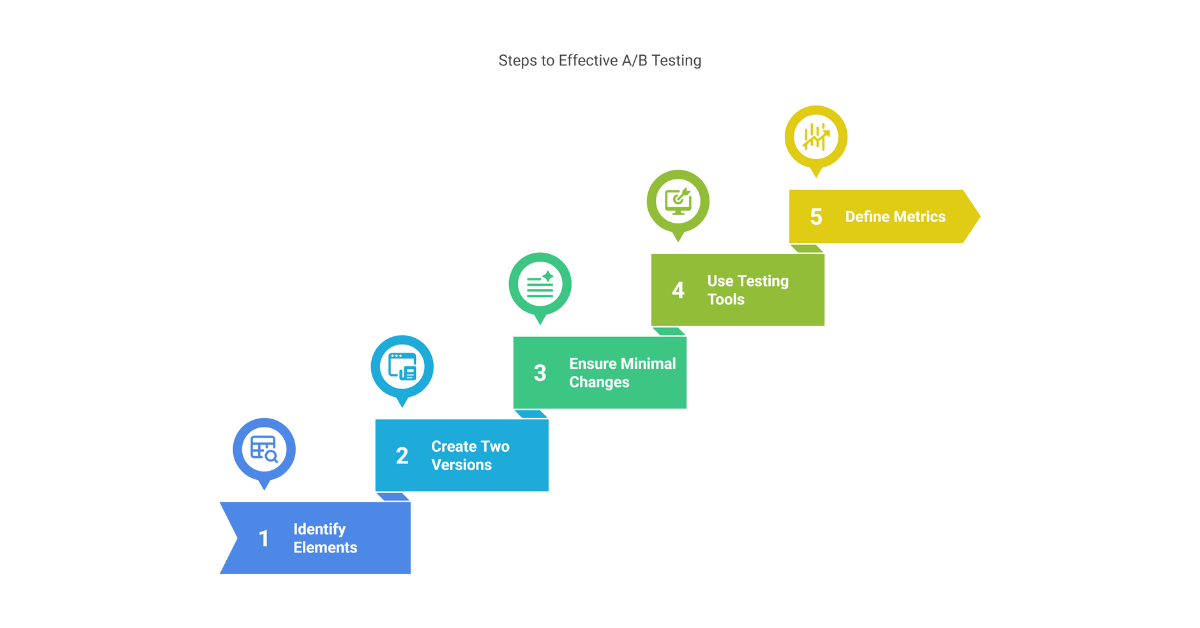
- Identify the elements you want to test, such as headlines, images, or buttons.
- Create two versions of the webpage: Version A and Version B.
- Ensure that the changes between versions are minimal and focused on the element you are testing.
- Use testing tools like Google Optimize or Optimizely to run and manage tests.
- Define the metrics you will use to measure success, such as click-through rates or conversions.
Once your tests are set up, it’s crucial to run them for a sufficient period. This ensures that the results are reliable and not influenced by temporary fluctuations in traffic or user behavior. It’s important to have a clear hypothesis before starting the test to guide your analysis.
Interpreting Results
Interpreting A/B test results requires careful analysis to understand which version performed better and why. Look for trends in the data that indicate user preferences. Focus on the metric you defined for success. This will help you determine which version was more effective.
Consider the following when analyzing results:
- Statistical significance: Ensure that the results are not due to random chance.
- User feedback: Gather insights from user comments or surveys to understand their experiences.
- Conversion rates: Compare the conversion rates of both versions to see which one led to more actions.
If Version B outperformed Version A, consider implementing the changes from Version B permanently. Remember, it’s not just about numbers; understanding the why behind the results can provide deeper insights into user behavior. Regular testing and analysis can help you continuously improve your website’s effectiveness.
Mobile Optimization
Improving website conversions is vital for any business. It means getting more people to take action on your site. One effective way is through CRO, or Conversion Rate Optimization. Mobile optimization plays a huge role in this. Many users access websites using their phones. So, making sure your site works well on mobile is crucial. It can lead to better engagement and more conversions.
Responsive Design
Responsive design ensures your website looks good on all devices. It adjusts layout based on screen size. This is vital for mobile users. Many people browse sites using their phones. Here are key points for effective responsive design:
- Fluid grids: Use flexible layout to fit any screen.
- Flexible images: Ensure images resize correctly.
- CSS media queries: Apply styles based on device characteristics.
Responsive design helps improve user experience. It makes navigation easy. Users stay longer on your site. This can lead to higher conversions. A well-designed mobile site builds trust. People are more likely to make a purchase or sign up. Responsive design is no longer optional. It’s a necessity for better website performance.
Mobile User Behavior
Understanding mobile user behavior is key to improving conversions. Mobile users often have different needs than desktop users. They seek quick information. They value speed and ease of use. Here are some behaviors to consider:
- Quick access: Users want fast loading pages.
- Simplicity: Simple navigation is preferred.
- Instant interactions: Easy-to-click buttons are crucial.
Mobile users often multitask. They browse while doing other activities. Short attention spans are common. Websites must be concise and engaging. Offering mobile-friendly content is important. It must be easy to read and digest. This aligns with user expectations and improves conversions. Pay attention to feedback. Adjust your site based on user habits. This leads to better user satisfaction and higher conversion rates.
Continuous Improvement
Improving website conversions is crucial for online success. Conversion Rate Optimization (CRO) focuses on enhancing user experience to boost sales and leads. Continuous improvement is key in this process. It involves analyzing user behavior, implementing changes, and measuring results. By iterating and refining strategies, businesses can achieve better outcomes. This approach ensures that websites adapt to changing user needs and preferences.
Feedback Loops
Feedback loops play a vital role in enhancing website conversions. They provide insights into user experiences and highlight areas for improvement. Collecting feedback from users helps identify barriers to conversion. Here are some effective methods to gather feedback:
- Surveys and questionnaires – Direct questions about user experience.
- Usability tests – Observing how users interact with the site.
- Heatmaps – Tracking where users click and scroll.
- Customer reviews – Understanding user satisfaction and concerns.
Analyzing feedback helps in making informed decisions. By understanding user pain points, businesses can implement targeted changes. This process can lead to significant improvements in conversion rates. Regularly updating the website based on feedback ensures it remains user-friendly.
Staying Updated With Trends
Keeping up with trends is essential for maintaining high conversion rates. Digital landscapes change rapidly. New tools and technologies emerge frequently. Adapting to these changes can provide a competitive edge. Here are some ways to stay informed:
- Follow industry blogs and publications for the latest updates.
- Attend webinars and conferences to learn from experts.
- Join online communities to discuss trends with peers.
- Experiment with new tools to see what works best.
Integrating new trends keeps a website fresh and engaging. It shows users that the business is innovative and responsive. Regular updates can significantly enhance user experience and boost conversions.
Conclusion
Improving website conversions with CRO is essential for business growth. Focus on understanding your audience. Test different strategies to see what works best. Small changes can make a big impact. Keep your website user-friendly and engaging. Use clear calls-to-action to guide visitors.
Analyze data regularly to track progress. Stay flexible and adapt to new trends. Consider feedback from your users. Conversion Rate Optimization is an ongoing process. Consistent efforts lead to better results. Aim for a seamless experience for every visitor. Happy users often become loyal customers.
Frequently Asked Questions
How Can I Improve My Cro Website?
Enhance your CRO website by optimizing landing pages for clarity. Use compelling calls-to-action and improve page load speed. Conduct A/B testing for better user experience. Analyze user behavior with heatmaps and surveys. Ensure mobile responsiveness to maximize conversions.
How Do You Improve The Conversion Rate Of A Website?
Enhance your website’s conversion rate by optimizing user experience and design. Use clear calls to action, improve page load speed, and ensure mobile responsiveness. Conduct A/B testing on key elements. Refine content with targeted keywords for better SEO. Analyze data to understand user behavior and make informed improvements.
How To Get A Higher Conversion Rate On Shopify?
Optimize product pages with clear images and descriptions. Use customer reviews for trust. Simplify checkout process. Offer discounts and free shipping. Utilize abandoned cart emails to recover lost sales.
What Are The 6 Primary Elements Of Conversion Rate Optimization?
The 6 primary elements of conversion rate optimization are: 1. User Experience (UX) Design 2. A/B Testing 3. Landing Page Optimization 4. Copywriting 5. Call-to-Action (CTA) Design 6. Analytics and Data Analysis These elements help increase website conversions and improve user engagement.